
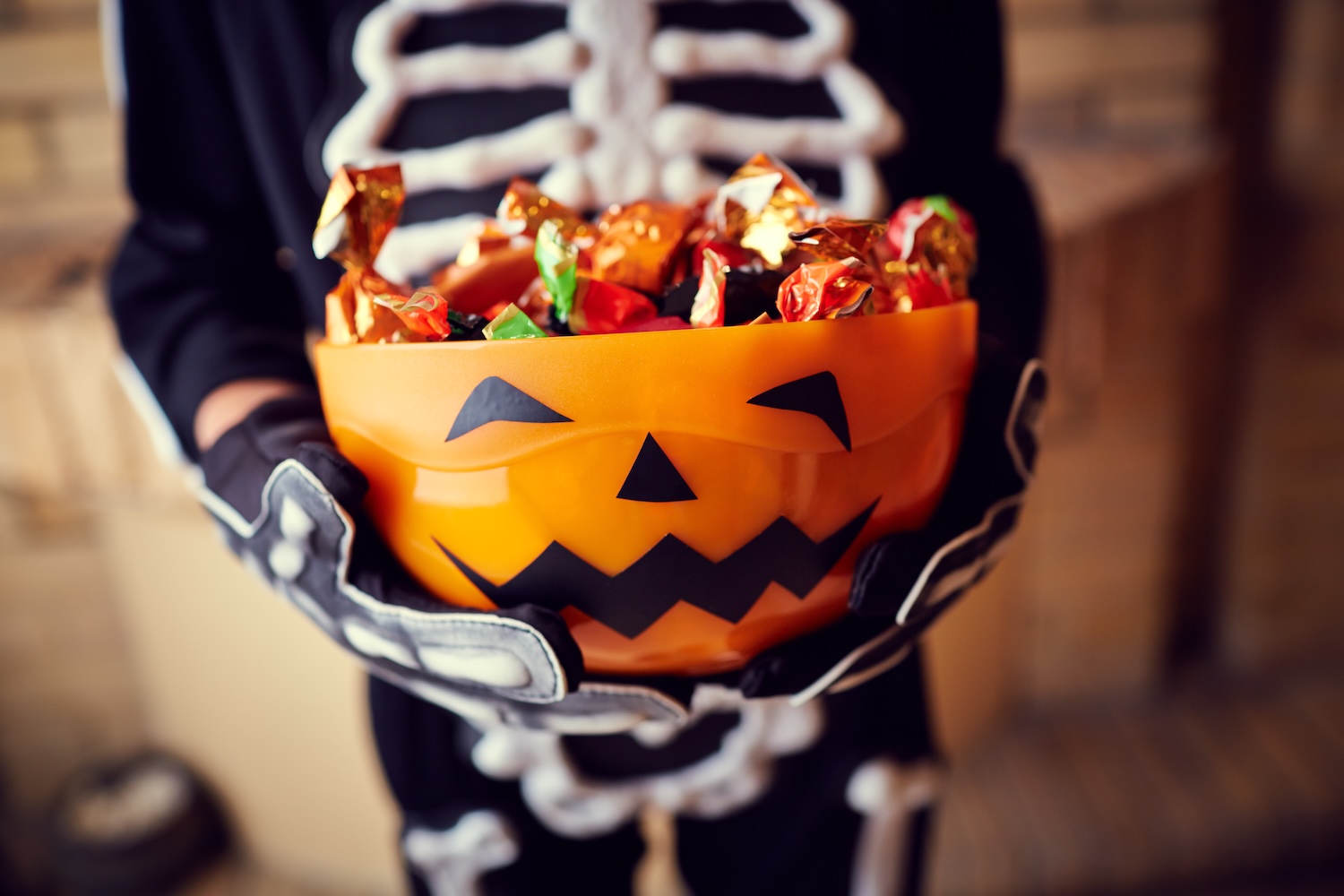
Your child pours the Halloween haul onto the table and starts sorting: chocolates together, chewy treats in another pile, and a few pieces set aside to trade. A treat goes into the lunchbox, another comes out after school, and suddenly Halloween sweets have become part of the everyday routine. That repeated sugar exposure gives plaque bacteria more opportunities to produce acids that weaken teeth. Sticky and sour candies can add to the problem by lingering on teeth or supplying acids of their own.
We see those habits during children’s visits at Springhurst Hills Dentistry in Louisville, Kentucky. Parents often want to know which treats to keep, whether chocolate is a better choice, and how much help their child still needs with cleaning. You can enjoy Halloween favorites while limiting how often sugar reaches the teeth. Here is how the candy, snack timing, and bedtime routine work together.
Sugar Feeds the Bacteria on Teeth
Plaque is a bacterial biofilm, or sticky layer of bacteria, that forms on teeth. When those bacteria use sugars from candy and other foods, they produce acids. As the acids contact teeth, they remove minerals from enamel, the hard outer layer protecting each tooth. Between exposures, saliva helps neutralize the acids and supplies minerals for repair.
Fluoride supports that repair, but frequent sweets can keep the cycle tipped toward mineral loss. Because each return to the candy bag gives bacteria more sugar, repeated snacking keeps restarting that acid production. Over time, the surface can weaken enough for a cavity to develop. Your child’s existing plaque buildup, cavity history, saliva, and cleaning habits also affect how easily that happens.
Before a hole forms, fluoride and changes to daily habits may help an early weakened area recover. If the surface breaks down into a cavity, we usually need to remove the decay and repair the tooth. So there is no single candy count that predicts a cavity. We look at your child’s teeth and daily exposure together when recommending prevention.
Sticky, Hard, and Sour Candies
Caramel, gummies, and taffy can leave pieces tucked into back-tooth grooves or between teeth. Even after your child finishes the treat, bits can remain against those surfaces. Afterward, water can rinse away some of it, although sticky pieces may need brushing and between-teeth cleaning to clear. Until then, the sugar remains available to plaque bacteria.
Hard candy and lollipops keep supplying sugar as they slowly dissolve. If your child finishes one and starts another, that exposure can continue through much of the afternoon. Crunching the last piece adds a risk of chipping a tooth or damaging a filling. Sticky and hard candies can also loosen brackets or damage wires for children wearing braces.
Meanwhile, sour candy contains acids that create its tart flavor. Those acids can wear enamel directly, even in a sugar-free version. After sour treats, offer water and allow time before brushing because acid temporarily softens the surface. Plain chocolate generally clears more easily than sticky candy, although caramel or chewy fillings can change that.
Enjoy a Portion, Then Give Teeth a Break
Maybe your child saves every peanut butter cup, or maybe they immediately find the chewy treats. Choosing a portion of those favorites with a meal or shortly afterward limits separate sugar exposures. Eating also increases saliva flow, which helps clear food and neutralize acids. Once the meal and candy are finished, the mouth has time between snacks.
Families handle the leftover bag differently, so choose a routine you can keep. You might have a few pieces after dinner rather than keep returning to them during homework. If your child wears braces, set aside hard, sticky, and chewy candies first and consider trading them for another treat. A regular time for candy can also spare you from deciding about another piece on every trip through the kitchen.
Offer water alongside the treats or afterward. Juice, soda, and other sweetened drinks supply more sugar, so sipping one can continue the exposure after the candy is gone. Water rinses the mouth without adding another sugary drink. The same approach works when Halloween sweets give way to holiday desserts later in the year.
Cleaning Your Child’s Teeth After Treats
After trick-or-treating, your child may be ready for bed before you have finished finding the wrappers. Keep the twice-daily cleaning routine going, including that evening session with fluoride toothpaste. Younger children need an adult to reach the back teeth and gumline thoroughly. Let them take a turn, then finish the areas they miss.
Use a rice-grain-sized smear of fluoride toothpaste for children younger than three and a pea-sized amount from ages three through six. Supervise them and encourage spitting rather than swallowing. As teeth begin touching, clean between them because toothbrush bristles cannot fully reach those surfaces. We can demonstrate how to position your child and guide floss around the small back teeth.
If one area keeps bleeding or your child avoids it, bring that up during the visit. Brushing harder can irritate tender gums without solving the cleaning difficulty. Our team can show you a different angle or tool for the spot. Continue that routine after Halloween night, since the bag often lasts far longer than the decorations.
If Sweets Make a Tooth Hurt
A child may mention that candy hurts, begin chewing on one side, or leave behind foods they normally enjoy. If the same tooth keeps reacting, schedule an examination. Candy can bring out symptoms from decay or another problem that was already developing. Describe what triggers the discomfort and whether it stops after eating or continues afterward.
Meanwhile, regular exams let us identify decay before your child notices pain. At Springhurst Hills Dentistry, we offer preventive care, including fluoride treatments and dental sealants when recommended. Sealants cover deep grooves in back teeth to help keep plaque and food out. Dr. Tran can explain which preventive steps fit your child’s teeth and cavity risk.
Halloween Care at Springhurst Hills Dentistry
If your child has started avoiding a tooth or cleaning the back teeth has become a struggle, include that at your next visit. Dr. Lan Tran can check for decay and explain whether fluoride or sealants would help protect your child’s teeth. Our hygiene team can also demonstrate a cleaning technique you can use at home.
Contact Springhurst Hills Dentistry in Louisville, Kentucky to arrange your child’s cleaning and exam or a visit for a toothache. In the meantime, enjoy a portion of their favorites and keep the evening cleaning routine going. We look forward to seeing the smiles behind this year’s costumes!
Posted on behalf of Dr. Lan Tran, Springhurst Hills Dentistry
Contact us today to see how we can help you and your family get healthy smiles!
Send Us An Email